Ankle Pain Treatment in Toms River, NJ
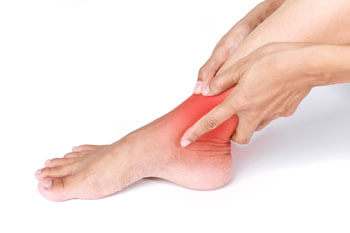
The ankle is a hinged, flexible joint that connects the leg bones, the fibula and tibula, with the foot bone, the talus. It is bound and supported by several ligaments and tendons and also contains muscles, nerves and blood vessels. Ankles help us stand and balance ourselves as well as flexing, pointing and rotating the foot and moving it from side to side.
The ankle is a hard-working joint that bears up to 13 times a person’s body weight and is in constant engagement while walking, running and jumping. For these reasons, the ankle can be prone to pain from an injury or other conditions.
Common Injuries of the Ankle:
Common injuries of the ankle are sprains, strains and fractures.
Ankle sprains occur when one or more of the strong ligaments in the ankle become overly stretched or torn by rolling out of normal position. You may experience symptoms ranging from pain and swelling, bruising, limited ability or the inability to walk, and you may even hear a popping sound at the moment of injury.
Ankle strains are similar but the injury occurs in muscles in the ankle.
Ankle fractures are breaks in one or more ankle bones that can be mild to severe with symptoms such as immediate pain, throbbing pain, swelling, or bruising. In addition, there can be difficulty or an inability to bear weight, tenderness and in severe cases, deformity.
When tendons get irritated, painful, inflamed or torn, this is an injury known as tendonitis.
Arthritic Conditions That Cause Ankle Pain:
Medical conditions that can cause ankle pain include several types of arthritis which cause cartilage and eventually bones to wear down. These forms of arthritis typically include:
- Osteoarthritis
- Rheumatoid arthritis
- Psoriatic arthritis
- Gout
Diagnosing and Treating Heel Pain:
To properly diagnose the cause of ankle pain, a podiatrist will examine you and may refer to imaging test such as an X-ray, CT or MRI scan, or a biopsy if an infection is suspected.
The type of treatment a podiatrist will use to treat ankle pain depends on the cause and severity of the condition. These treatments may include:
- The RICE Method - Rice/Ice/Compression/Elevation
- Nonsteroidal anti-inflammatory drugs also know as NSAIDs
- Braces and splints
- Physical therapy
- Joint aspiration
- Steroid injections
- Orthotics
- Surgery
If you are having any type of pain or discomfort in your ankles, schedule an appointment with your podiatrist to have your condition properly diagnosed and treated.
SoftWave Shockwave Therapy
What is a shockwave?
Shockwaves are acoustic pulses with high positive pressure, fast and steep rise time followed by comparatively small negative pressure (tensile wave).
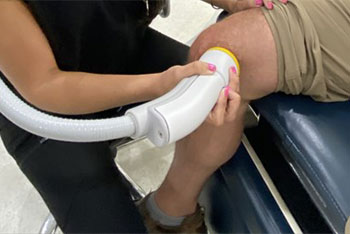
The science behind SoftWave
Extracorporeal shockwave therapy (ESWT) produces highly effective shockwaves that initiate biological regeneration processes at the cellular level.
Mechanotransduction Mechanism with 3 Phases
- PHYSICAL – Generates a large positive pressure wave followed by a negative pressure wave.
- CHEMICAL – Mechanical stimulus leads to biochemical reactions. Biomolecules are released and cell signaling is activated.
- BIOLOGIC – Angiogenesis, inflammatory modulation, stimulation of tissue regeneration.


SoftWave’s OrthoGold broad-focused proprietary electrohydraulic device creates a shockwave immediately at the start. This allows energy to be distributed in a superior way.
The patented parabolic reflector generates a primary and secondary wave that spreads the shockwave over a wider and deeper therapeutic treatment zone.
This allows for maximum tissue penetration to enhance the biological effects.
Upon delivery, a cellular response is triggered activating the body’s natural healing process resulting:
Increased blood supply resulting in angiogenesis – the formation of new blood vessels to increase blood flow.
The proliferation of smooth muscle cells to restore tissue elasticity and support tissue remodeling and regeneration.
Activation of endogenous growth factors.
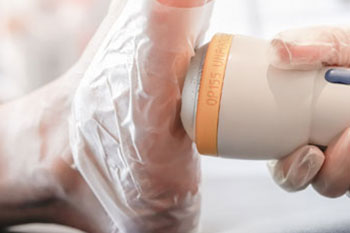
A COMPREHENSIVE REGENERATIVE MEDICINE SOLUTION
offering unsurpassed versatility for acute and chronic conditions
- Stress Fractures
- Over-Use Injuries
- Shin Splints
- Scar Tissue/Adhesions
- Achilles Tendinopathy
- and more


