
Foot and Ankle Issues

There are a multitude of foot and ankle conditions that can impact your daily life. Conditions like plantar fasciitis, which causes sharp heel pain, occur when the tissue connecting the heel to the toes becomes inflamed. A bunion, a bony protrusion at the base of the big toe, can cause swelling and discomfort. Corns, which are thickened areas of skin, typically develop on toes due to friction and can be painful. Issues with toenails, such as ingrown toenails or fungal infections, can lead to redness, swelling, and discomfort. While some minor problems may improve on their own, persistent pain, swelling, or changes in the nails warrant professional evaluation. Ignoring these issues can lead to further complications, so it is important to seek medical advice. If you are experiencing any of these symptoms, it is suggested you schedule an appointment with a podiatrist for an accurate diagnosis and personalized treatment plan.

Foot Pain

Foot pain can be extremely painful and debilitating. If you have a foot pain, consult with Josef Elouze, DPM from Elite Podiatry. Our doctor will assess your condition and provide you with quality foot and ankle treatment.

Causes

Foot pain is a very broad condition that could be caused by one or more ailments. The most common include:

  • Bunions
  • Hammertoes
  • Plantar Fasciitis
  • Bone Spurs
  • Corns
  • Tarsal Tunnel Syndrome
  • Ingrown Toenails
  • Arthritis (such as Gout, Rheumatoid, and Osteoarthritis)
  • Flat Feet
  • Injury (from stress fractures, broken toe, foot, ankle, Achilles tendon ruptures, and sprains)
  • And more

Diagnosis

To figure out the cause of foot pain, podiatrists utilize several different methods. This can range from simple visual inspections and sensation tests to X-rays and MRI scans. Prior medical history, family medical history, and any recent physical traumatic events will all be taken into consideration for a proper diagnosis.

Treatment

Treatment depends upon the cause of the foot pain. Whether it is resting, staying off the foot, or having surgery; podiatrists have a number of treatment options available for foot pain.

If you have any questions, please feel free to contact our office located in (Holiday City) Toms River, NJ . We offer the newest diagnostic and treatment technologies for all your foot care needs.


Read more about Foot Pain

Ankle Fracture? Don’t Wait for Treatment

If you're suffering from an ankle fracture, professional attention shouldn't wait. Fractures may worsen over time and can make completing everyday activities incredibly difficult. See your specialist for treatment and guidance through the healing process. 

Treatment for Infected Ingrown Toenails

Ingrown toenails occur when the edges of the nail grow into the surrounding skin, often leading to pain, redness, swelling, and sometimes infection. This common condition typically affects the big toe and can result from improper nail trimming, wearing tight footwear, or injury. When an ingrown toenail becomes infected, it can cause increased pain and pus formation, making walking uncomfortable. To manage an infected ingrown toenail, it is important to keep the area clean and avoid tight shoes. Soaking the foot in warm, soapy water can help reduce inflammation and relieve discomfort. However, if symptoms persist or worsen, professional treatment is often necessary. A podiatrist can safely remove the ingrown portion of the nail and prescribe antibiotics if an infection is present. If you are struggling with an ingrown toenail, it is suggested you do not wait for it to worsen, but promptly schedule an appointment with a podiatrist for expert care and relief.

Ingrown toenails can become painful if they are not treated properly. For more information about ingrown toenails, contact Josef Elouze, DPM of Elite Podiatry. Our doctor can provide the care you need to keep you pain-free and on your feet.

Ingrown Toenails

Ingrown toenails occur when a toenail grows sideways into the bed of the nail, causing pain, swelling, and possibly infection.

Causes

  • Bacterial infections
  • Improper nail cutting such as cutting it too short or not straight across
  • Trauma to the toe, such as stubbing, which causes the nail to grow back irregularly
  • Ill-fitting shoes that bunch the toes too close together
  • Genetic predisposition

Prevention

Wearing proper fitting shoes and using proper cutting techniques will also help decrease your risk of developing ingrown toenails.

Treatment

Ingrown toenails are a very treatable foot condition. In minor cases, soaking the affected area in salt or antibacterial soaps will not only help with the ingrown nail itself, but also help prevent any infections from occurring. In more severe cases, surgery is an option. In either case, speaking to your podiatrist about this condition will help you get a better understanding of specific treatment options that are right for you.

If you have any questions, please feel free to contact our office located in (Holiday City) Toms River, NJ . We offer the newest diagnostic and treatment technologies for all your foot care needs.

Read more about Ingrown Toenail Care

Bunions and Accompanying Symptoms

Bunions are painful bony bumps that develop at the base of the big toe, often causing discomfort and affecting daily activities. Common symptoms include swelling, redness, and a noticeable protrusion on the side of the foot. You may also experience stiffness in the big toe, making it difficult to wear certain shoes or walk comfortably. Treatment for bunions often begins with wearing properly fitting shoes with a wide toe box that can help reduce pressure on the bunion. Padding or custom orthotic inserts can provide additional support and alleviate pain. If conservative treatment fails, surgery may be considered to realign the toe and remove the bunion. It is important to address bunions early to prevent worsening symptoms. If you are experiencing bunion pain, it is suggested that you schedule an appointment with a podiatrist. This type of doctor can evaluate your condition and recommend a tailored treatment plan to restore your comfort and mobility.

If you are suffering from bunions, contact Josef Elouze, DPM of Elite Podiatry. Our doctor can provide the care you need to keep you pain-free and on your feet.

What Is a Bunion?

A bunion is formed of swollen tissue or an enlargement of boney growth, usually located at the base joint of the toe that connects to the foot. The swelling occurs due to the bones in the big toe shifting inward, which impacts the other toes of the foot. This causes the area around the base of the big toe to become inflamed and painful.

Why Do Bunions Form?

Genetics – Susceptibility to bunions are often hereditary

Stress on the feet – Poorly fitted and uncomfortable footwear that places stress on feet, such as heels, can worsen existing bunions

How Are Bunions Diagnosed?

Podiatrists often perform two tests – blood tests and x-rays – when trying to diagnose bunions, especially in the early stages of development. Blood tests help determine if the foot pain is being caused by something else, such as arthritis, while x-rays provide a clear picture of your bone structure to your provider.

How Are Bunions Treated?

  • Refrain from wearing heels or similar shoes that cause discomfort
  • Select wider shoes that can provide more comfort and reduce pain
  • Anti-inflammatory and pain management drugs
  • Orthotics or foot inserts
  • Surgery

If you have any questions, please feel free to contact our office located in (Holiday City) Toms River, NJ . We offer the newest diagnostic and treatment technologies for all your foot care needs.
Read more about Bunions

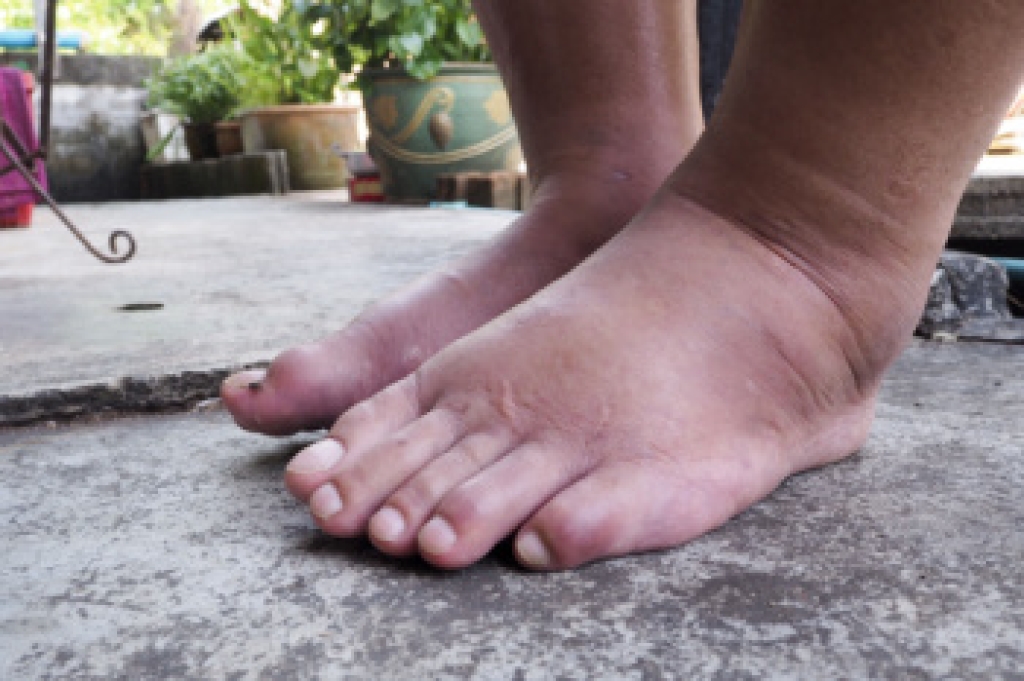
Understanding Reasons for Foot and Ankle Swelling

Foot and ankle swelling, or edema, can result from various causes, often indicating underlying health issues. Commonly, swelling occurs due to prolonged standing or sitting, which impedes blood circulation and leads to fluid accumulation. Injury or trauma to the foot or ankle, such as sprains or fractures, can also cause localized swelling. Medical conditions like heart disease or kidney problems can disrupt fluid balance, leading to generalized edema. Additionally, conditions like arthritis and venous insufficiency, where veins struggle to return blood to the heart, contribute to swelling. Certain medications may also cause fluid retention as a side effect. Identifying the root cause of foot and ankle swelling is essential for proper treatment and management. If your feet or ankles have become swollen, it is suggested that you consult a podiatrist who can determine the cause and offer effective relief solutions.

Swollen feet can be a sign of an underlying condition. If you have any concerns, contact Josef Elouze, DPM of Elite Podiatry. Our doctor can provide the care you need to keep you pain-free and on your feet.

Swollen feet are a common ailment among pregnant women and people who stand or sit for extended periods. Aging may increase the possibility of swollen feet and patients who are obese often notice when their feet are swelling too. There may be medical reasons why swollen feet occur:

  • Phlebitis - A condition that causes the veins to become inflamed and can also cause leg pain.
  • Liver disease - This may lead to low blood levels of albumin which is a protein. This can cause fluid in the blood to pass into the tissues and several areas of the body can become swollen.
  • Heart failure - When the heart doesn’t pump properly the blood that is normally pumped back to the heart can pool in the veins of the legs causing swollen feet.
  • Kidney disease - One of the main functions of the kidneys is releasing excess fluid in the body. This type of condition can make it difficult for the kidneys to function properly, and as a result the feet may become swollen.
  • Deep-vein thrombosis (DVT)- This is a serious condition where blood clots form in the veins of the legs. They can block the return of blood from the legs to the heart which may cause the feet to swell. It is important to be treated by a podiatrist if this condition is present.

Swollen feet can also be caused by bone and tendon conditions, including fractures, arthritis, and tendinitis. Additionally, there may be skin and toenail conditions and an infection may cause the feet to swell. Patients who take medicine to treat high blood pressure may be prone to getting swollen feet. 

Many patients elevate their feet to help relieve the swelling and this is generally a temporary remedy. When a podiatrist is consulted the reason behind the swelling can be uncovered and subsequently treated.

If you have any questions please contact our office located in (Holiday City) Toms River, NJ . We offer the newest diagnostic and treatment technologies for all your foot and ankle needs.

Read more about Swelling of the Feet

Connect With Us

scroll to top