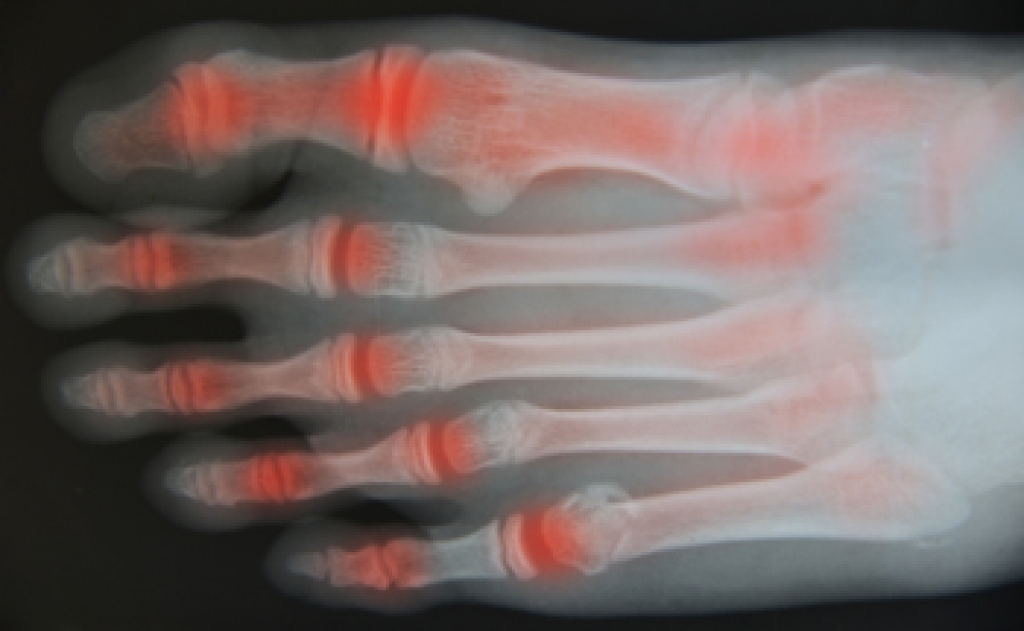
Causes of Foot Stress Fractures

A stress fracture is a small crack in a bone that develops from repetitive force rather than a single injury. It commonly occurs in the feet and ankles due to repeated stress from activities such as walking and running. Causes include sudden increases in running speed or distance, and inadequate recovery time. Symptoms often involve localized pain, swelling, and tenderness that worsens with activity and improves with rest. Risk factors include wearing improper footwear, low bone density, and high-impact sports. A podiatrist can diagnose stress fractures through examination and imaging, provide immobilization strategies, and recommend footwear or orthotics to support healing. Early treatment is essential to prevent worsening injury. If you have symptoms of a foot stress fracture, it is suggested that you consult a podiatrist who can accurately diagnose and offer effective treatment solutions.

Stress fractures occur when there is a tiny crack within a bone. To learn more, contact Josef Elouze, DPM from Elite Podiatry. Our doctor can provide the care you need to keep you pain free and on your feet.

How Are They Caused?

Stress fractures are the result of repetitive force being placed on the bone. Since the lower leg and feet often carry most of the body’s weight, stress fractures are likely to occur in these areas. If you rush into a new exercise, you are more likely to develop a stress fracture since you are starting too much, too soon.  Pain resulting from stress fractures may go unnoticed at first, however it may start to worsen over time.

Risk Factors

  • Gender – They are more commonly found in women compared to men.
  • Foot Problems – People with unusual arches in their feet are more likely to develop stress fractures.
  • Certain Sports – Dancers, gymnasts, tennis players, runners, and basketball players are more likely to develop stress fractures.
  • Lack of Nutrients – A lack of vitamin D and calcium may weaken the bones and make you more prone to stress fractures
  • Weak Bones – Osteoporosis can weaken the bones therefore resulting in stress fractures

Stress fractures do not always heal properly, so it is important that you seek help from a podiatrist if you suspect you may have one. Ignoring your stress fracture may cause it to worsen, and you may develop chronic pain as well as additional fractures.

If you have any questions please contact our office located in (Holiday City) Toms River, NJ . We offer the newest diagnostic and treatment technologies for all your foot and ankle needs.


Read more about Stress Fractures of the Foot and Ankle

Common Causes of Ankle Pain

Ankle pain can develop for several reasons, involving the bones, ligaments, tendons, or muscles that support the joint. The ankle connects the leg bones to the foot and allows movement while keeping the body stable. A common cause of ankle pain is a sprain. This injury occurs when ligaments, the strong bands that hold bones together, are stretched or torn, often after a sudden twist. Tendinitis refers to irritation of a tendon, the tissue that connects muscle to bone, and may cause pain, stiffness and swelling. Arthritis, a condition that leads to joint inflammation, can also cause long-term ankle discomfort and reduced motion. Additionally, repetitive stress from walking, running, or standing for long periods of time may worsen symptoms. A podiatrist can examine the ankle, order imaging, and evaluate gait to determine the cause. Treatment options include bracing or custom orthotic devices to improve support and reduce strain. If you are experiencing ankle pain, it is suggested that you schedule an appointment with a podiatrist for appropriate treatment.

Ankle pain can be caused by a number of problems and may be potentially serious. If you have ankle pain, consult with Josef Elouze, DPM from Elite Podiatry. Our doctor will assess your condition and provide you with quality foot and ankle treatment.

Ankle pain is any condition that causes pain in the ankle. Due to the fact that the ankle consists of tendons, muscles, bones, and ligaments, ankle pain can come from a number of different conditions.

Causes

The most common causes of ankle pain include:

  • Types of arthritis (rheumatoid, osteoarthritis, and gout)
  • Ankle sprains
  • Broken ankles
  • Achilles tendonitis
  • Achilles tendon rupture
  • Stress fractures
  • Bursitis
  • Tarsal tunnel syndrome
  • Plantar fasciitis

Symptoms

Symptoms of ankle injury vary based upon the condition. Pain may include general pain and discomfort, swelling, aching, redness, bruising, burning or stabbing sensations, and/or loss of sensation.

Diagnosis

Due to the wide variety of potential causes of ankle pain, podiatrists will utilize a number of different methods to properly diagnose ankle pain. This can include asking for personal and family medical histories and of any recent injuries. Further diagnosis may include sensation tests, a physical examination, and potentially x-rays or other imaging tests.

Treatment

Just as the range of causes varies widely, so do treatments. Some more common treatments are rest, ice packs, keeping pressure off the foot, orthotics and braces, medication for inflammation and pain, and surgery.

If you have any questions please feel free to contact our office located in (Holiday City) Toms River, NJ . We offer the newest diagnostic tools and technology to treat your foot and ankle needs.

Read more about Ankle Pain

The Impact of Lifestyle Choices on Rheumatoid Arthritis

Rheumatoid arthritis is a chronic autoimmune condition in which the immune system attacks healthy joints, leading to inflammation, pain, and stiffness that can affect mobility and daily life. While the exact cause is not always clear, lifestyle factors can influence how the condition develops and progresses. Smoking, obesity, and poor physical activity levels may contribute to more severe symptoms and negative outcomes by increasing inflammation and placing additional stress on the joints. These factors can also impact foot health, making walking and standing more difficult. A podiatrist can help by evaluating foot structure, relieving pressure, and providing supportive care to improve comfort and function. If you have joint pain or stiffness, it is suggested that you seek professional podiatric care for appropriate relief solutions and symptom management tips.

Because RA affects more than just your joints, including the joints in your feet and ankles, it is important to seek early diagnosis from your podiatrist if you feel like the pain in your feet might be caused by RA. For more information, contact Josef Elouze, DPM of Elite Podiatry. Our doctor will assist you with all of your podiatric concerns.

What Is Rheumatoid Arthritis?

Rheumatoid Arthritis (RA) is an autoimmune disorder in which the body’s own immune system attacks the membranes surrounding the joints. Inflammation of the lining and eventually the destruction of the joint’s cartilage and bone occur, causing severe pain and immobility.

Rheumatoid Arthritis of the Feet

Although RA usually attacks multiple bones and joints throughout the entire body, almost 90 percent of cases result in pain in the foot or ankle area.

Symptoms

  • Swelling and pain in the feet
  • Stiffness in the feet
  • Pain on the ball or sole of feet
  • Joint shift and deformation

Diagnosis

Quick diagnosis of RA in the feet is important so that the podiatrist can treat the area effectively. Your doctor will ask you about your medical history, occupation, and lifestyle to determine the origin of the condition. Rheumatoid Factor tests help to determine if someone is affected by the disease.

If you have any questions, please feel free to contact our office located in (Holiday City) Toms River, NJ . We offer the newest diagnostic and treatment technologies for all your foot care needs.

Read more about Rheumatoid Arthritis in the Feet

Osteoarthritis and Its Impact on Foot Health

Osteoarthritis is a degenerative joint condition that occurs when cartilage wears down over time, leading to pain and stiffness. In the feet, it often affects joints in the toes and midfoot, making walking uncomfortable. Causes include aging, excess body weight, genetic predisposition, and other forms of arthritis that contribute to joint damage. Symptoms include pain, swelling in foot joints, reduced flexibility, and discomfort that may worsen at night. Persistent foot pain can interfere with daily activities and overall quality of life. A podiatrist can diagnose the condition, recommend supportive footwear, provide custom orthotics, and develop a treatment plan to reduce pain and improve mobility. If you are experiencing ongoing foot discomfort or swelling, it is suggested that you consult a podiatrist who can offer effective relief and management solutions.

Arthritis can be a difficult condition to live with. If you are seeking treatment, contact Josef Elouze, DPM from Elite Podiatry. Our doctor can provide the care you need to keep you pain-free and on your feet.

Arthritic Foot Care  

Arthritis is a term that is commonly used to describe joint pain.  The condition itself can occur to anyone of any age, race, or gender, and there are over 100 types of it.  Nevertheless, arthritis is more commonly found in women compared to men, and it is also more prevalent in those who are overweight. The causes of arthritis vary depending on which type of arthritis you have. Osteoarthritis for example, is often caused by injury, while rheumatoid arthritis is caused by a misdirected immune system.

Symptoms

  • Swelling
  • Pain
  • Stiffness
  • Decreased Range of Motion

Arthritic symptoms range in severity, and they may come and go. Some symptoms stay the same for several years but could potentially get worse with time. Severe cases of arthritis can prevent its sufferers from performing daily activities and make walking difficult.

Risk Factors

  • Occupation – Occupations requiring repetitive knee movements have been linked to osteoarthritis
  • Obesity – Excess weight can contribute to osteoarthritis development
  • Infection – Microbial agents can infect the joints and trigger arthritis
  • Joint Injuries – Damage to joints may lead to osteoarthritis
  • Age – Risk increases with age
  • Gender –Most types are more common in women
  • Genetics – Arthritis can be hereditary

If you suspect your arthritis is affecting your feet, it is crucial that you see a podiatrist immediately. Your doctor will be able to address your specific case and help you decide which treatment method is best for you.

If you have any questions please feel free to contact our office located in (Holiday City) Toms River, NJ . We offer the newest diagnostic tools and technology to treat your foot and ankle needs.

Read more about How to Care for Your Arthritic Foot

It's Time for Beautiful Feet

You don't need an excuse to have beautiful nails. Step outside without worrying about the appearance of your feet.

Connect With Us

scroll to top