Why Live with Pain and Numbness in Your Feet?

Suffering from this type of pain? You may have the foot condition known as Morton's neuroma. Morton's neuroma may develop as a result of ill-fitting footwear and existing foot deformities. We can help.

When a Blister Gets Infected

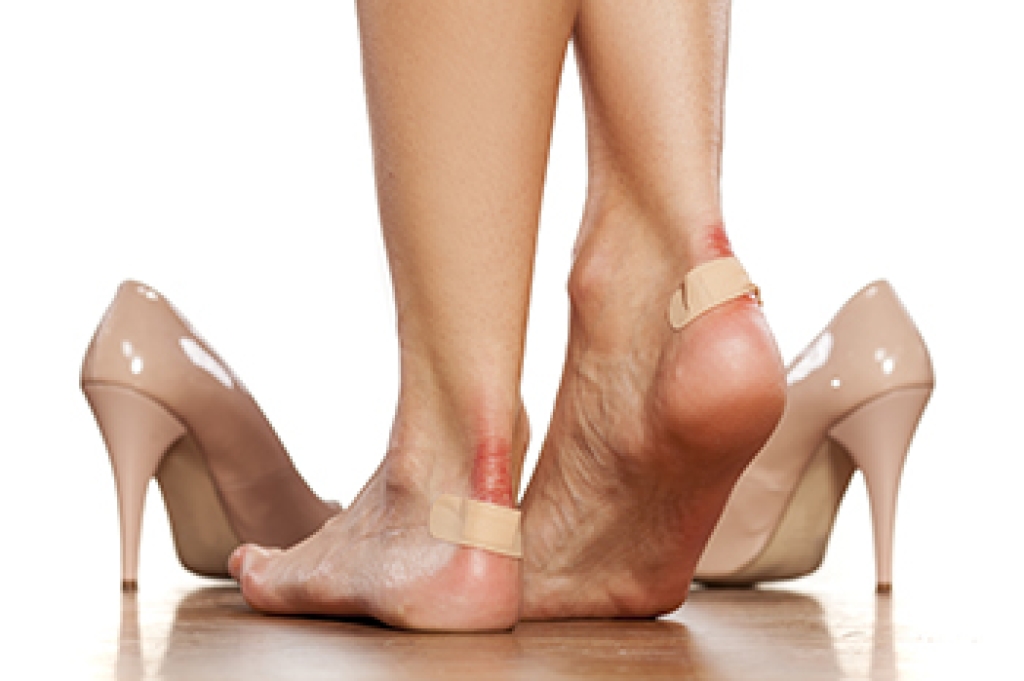
Blisters on the feet are small pockets of fluid that form beneath the skin. They commonly develop when repeated rubbing creates friction between the foot and a shoe. Blisters can also result from burns, allergic reactions, or certain skin conditions. Many people notice blisters on the heels, toes, or the ball of the foot. Symptoms include tenderness, redness, and discomfort when walking. Some blisters remain intact, while others break open and expose the skin underneath. Although many blisters are minor, they can become painful and interfere with daily activities. A podiatrist can recommend the most appropriate treatment to protect the skin and reduce pain. Popping a blister yourself is not recommended, and can cause infection.

An infected blister requires prompt medical attention. Signs of infection include increased pain, swelling, and warmth surrounding the affected area. Redness that spreads beyond the blister is another warning sign. Some infected blisters produce pus or cloudy fluid. More serious infections can cause fever or a general feeling of illness. When bacteria enter an open blister, the infection can spread into nearby tissue. In some cases, a deeper skin infection called cellulitis develops. This is a bacterial infection that causes redness, swelling, and pain. A podiatrist can examine the blister, identify signs of infection, and determine whether prescription medication or specialized wound care is necessary.

Treatment depends on the size, location, and condition of the blister. A podiatrist may safely drain a large blister under sterile conditions, while preserving healthy skin whenever possible. Infected blisters may require medication to control the infection. The podiatrist may also apply protective dressings and monitor the area for proper healing. Patients with diabetes, poor circulation, or weakened immune systems face a greater risk of complications from foot blisters. If you have a painful or infected blister on your foot, it is suggested that you schedule an appointment with a podiatrist for safe and sterile treatment.

Blisters may appear as a single bubble or in a cluster. They can cause a lot of pain and may be filled with pus, blood, or watery serum. If your feet are hurting, contact Josef Elouze, DPM of Elite Podiatry. Our doctor can provide the care you need to keep you pain-free and on your feet.

Foot Blisters

Foot blisters are often the result of friction. This happens due to the constant rubbing from shoes, which can lead to pain.

What Are Foot Blisters?

A foot blister is a small fluid-filled pocket that forms on the upper-most layer of the skin. Blisters are filled with clear fluid and can lead to blood drainage or pus if the area becomes infected.

Symptoms

(Blister symptoms may vary depending on what is causing them)

  • Bubble of skin filled with fluid
  • Redness
  • Moderate to severe pain
  • Itching

Prevention & Treatment

In order to prevent blisters, you should be sure to wear comfortable shoes with socks that cushion your feet and absorb sweat. Breaking a blister open may increase your chances of developing an infection. However, if your blister breaks, you should wash the area with soap and water immediately and then apply a bandage to the affected area. If your blisters cause severe pain it is important that you call your podiatrist right away.

If you have any questions, please feel free to contact our office located in (Holiday City) Toms River, NJ . We offer the newest diagnostic and treatment technologies for all your foot care needs.

Read more about Blisters

Hammertoe Surgery as a Treatment Solution

Hammertoe is a common foot deformity that usually affects the second, third, or fourth toe. It occurs when the middle joint of a toe becomes bent downward, creating a hammer-like appearance. Over time, the affected toe may become rigid and difficult to move. In podiatry, hammertoe is considered a progressive condition, meaning it can worsen if not properly managed.

The primary cause of hammertoe is muscle imbalance in the foot. When the muscles, tendons, and ligaments that control toe movement become uneven, the toe may be pulled into an abnormal position. Wearing tight or narrow shoes is a major contributing factor, as it forces the toes into a cramped space. High-heeled shoes can also increase pressure on the front of the foot, making the condition more likely. Other causes include trauma, arthritis, and genetic foot structure that predisposes a person to toe deformities. Symptoms of hammertoe often begin with mild discomfort. Patients may notice a bent toe that does not straighten easily. Corns or calluses can form on the top of the toe or on the ball of the foot, due to friction and pressure from footwear. As the condition progresses, pain may increase, especially when walking or wearing shoes. In advanced cases, the toe may become stiff and fixed in position, making daily activities more difficult.


Treatment for hammertoe depends on the severity of the condition. Early stages may be managed with shoe modifications, orthotic devices, and padding to reduce pressure on the affected toe. Stretching exercises may help improve flexibility. However, when the deformity becomes rigid or painful, surgical correction may be recommended. Hammertoe surgery involves releasing tight tendons, realigning the toe, and in some cases, removing a small section of bone to restore proper alignment. The goal is to improve function and reduce pain. Recovery time after hammertoe surgery varies, depending on the procedure performed. Most patients can expect swelling and limited activity for several weeks. Full recovery may take several months, with a gradual return to normal footwear and activity levels. If you need hammertoe surgery, it is strongly suggested that you consult a podiatrist who can discuss the benefits of this type of surgery with you.

Foot surgery is sometimes necessary to treat a foot ailment. To learn more, contact Josef Elouze, DPM of Elite Podiatry. Our doctor will assist you with all of your foot and ankle needs.

When Is Surgery Necessary?

Foot and ankle surgery is generally reserved for cases in which less invasive, conservative procedures have failed to alleviate the problem. Some of the cases in which surgery may be necessary include:

  • Removing foot deformities like bunions and bone spurs
  • Severe arthritis that has caused bone issues
  • Cosmetic reconstruction

What Types of Surgery Are There?

The type of surgery you receive will depend on the nature of the problem you have. Some of the possible surgeries include:

  • Bunionectomy for painful bunions
  • Surgical fusion for realignment of bones
  • Neuropathy decompression surgery to treat nerve damage

Benefits of Surgery

Although surgery is usually a last resort, it can provide more complete pain relief compared to non-surgical methods and may allow you to finally resume full activity.

Surgical techniques have also become increasingly sophisticated. Techniques like endoscopic surgery allow for smaller incisions and faster recovery times.

If you have any questions, please feel free to contact our office located in (Holiday City) Toms River, NJ . We offer the newest diagnostic and treatment technologies for all your foot care needs.

Read more about Foot Surgery

Connect With Us

Advanced Podiatric Procedures & Services in the Toms River, Lakewood, Brick Township, Berkeley Township, Manchester Township, Lacey Township, Barnegat Township, Stafford Township, Jackson Township, Howell Township, NJ areas