Causes of Heel Pain in Growing Children

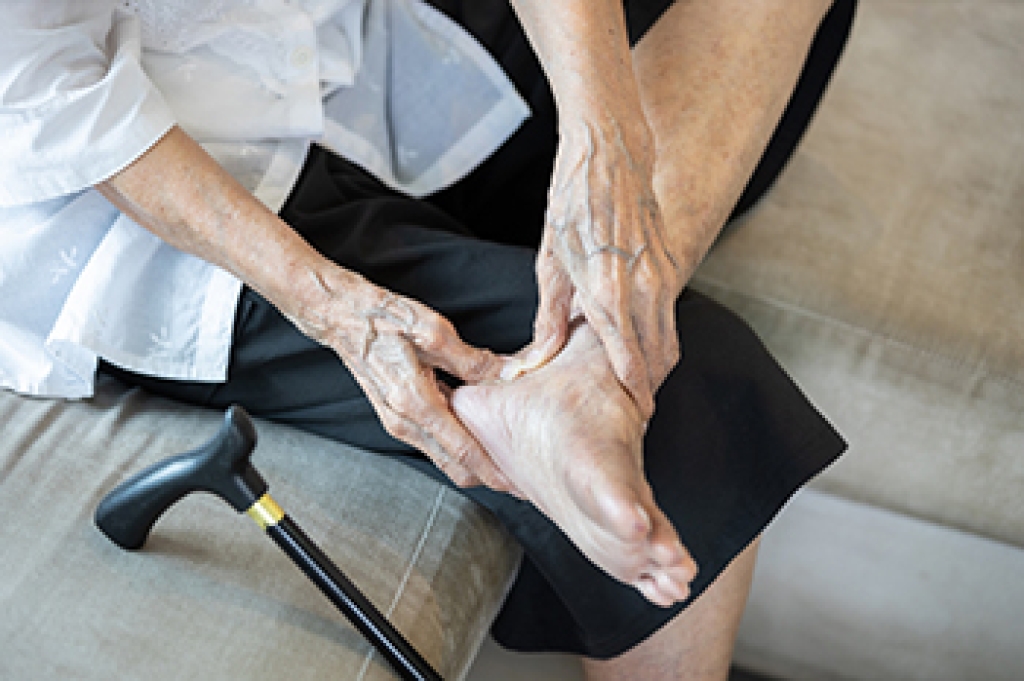
Heel pain in children often occurs during periods of rapid growth. Sever’s disease is frequently linked to overuse and strain on the developing structures of the foot. Children between the ages of eight and 14 are especially at risk because their bones may grow faster than the surrounding muscles and tendons. This imbalance can place added tension on the heel, leading to irritation and pain. Active children who participate in sports that involve running and jumping may experience this condition more often.

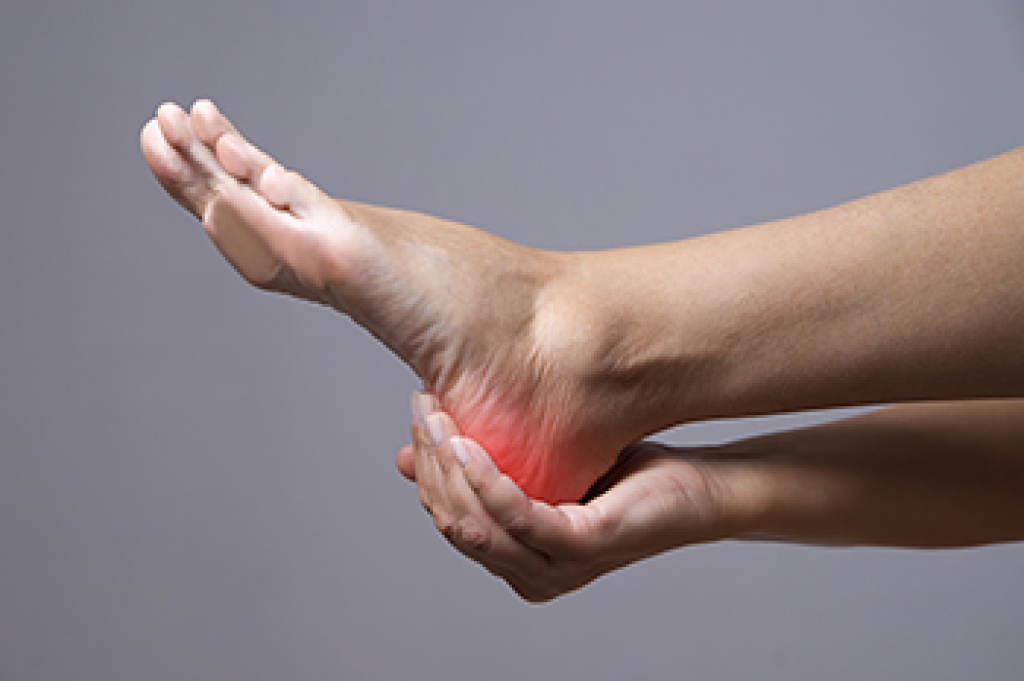
Symptoms of heel pain in children include tenderness at the back or bottom of the heel, discomfort during physical activity, and stiffness after rest. Some children may limp or avoid placing full weight on the affected foot. Pain may increase during sports and improve with rest, but it can return when activity resumes. In some cases, swelling or tightness in the calf muscles may also be present. Early recognition of these symptoms can help prevent worsening discomfort and support proper healing.


The main cause of heel pain in children, often called Sever’s disease, can be related to growth spurts. During their adolescent years, the heel bone grows rapidly, while the surrounding muscles and tendons may not keep pace. This can lead to increased tension on the heel. Repetitive impact from sports and physical activities can further strain the area. Relief often includes stretching exercises to improve flexibility and reduce stress on the heel. Parents should never push children through heel pain, as this can lead to more serious issues.


Risk factors for heel pain in children include high levels of physical activity, tight calf muscles, and participation in sports played on hard surfaces. Early attention is important for maintaining comfort and mobility. If your active child has heel pain, it is suggested that you consult a podiatrist for effective relief and management solutions.

Sever's disease often occurs in children and teens. If your child is experiencing foot or ankle pain, see Josef Elouze, DPM from Elite Podiatry. Our doctor can treat your child’s foot and ankle needs.

Sever’s Disease

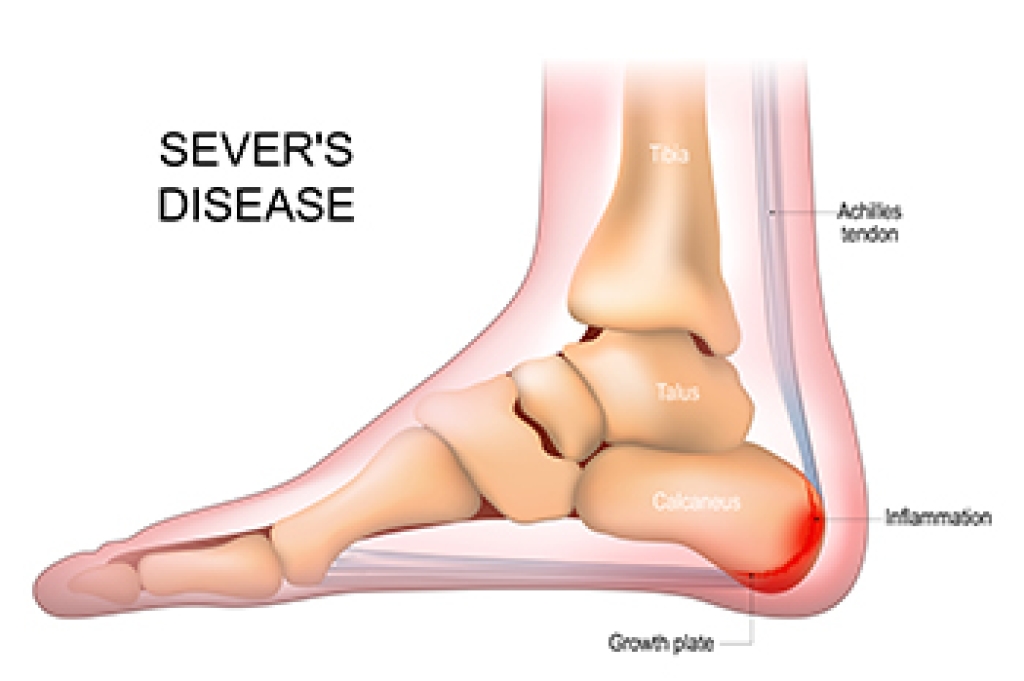
Sever’s disease is also known as calcaneal apophysitis, which is a medical condition that causes heel pain I none or both feet. The disease is known to affect children between the ages of 8 and 14.

Sever’s disease occurs when part of the child’s heel known as the growth plate (calcaneal epiphysis) is attached to the Achilles tendon. This area can suffer injury when the muscles and tendons of the growing foot do not keep pace with bone growth. Therefore, the constant pain which one experiences at the back of the heel will make the child unable to put any weight on the heel. The child is then forced to walk on their toes.

Symptoms

Acute pain – Pain associated with Sever’s disease is usually felt in the heel when the child engages in physical activity such as walking, jumping and or running.

Highly active – Children who are very active are among the most susceptible in experiencing Sever’s disease, because of the stress and tension placed on their feet.

If you have any questions, please feel free to contact our office located in (Holiday City) Toms River, NJ . We offer the newest diagnostic and treatment technologies for all your foot care needs.

Read more about Sever's Disease

How a Podiatrist Can Help Relieve Heel Pain

Heel pain is one of the most common foot problems and can make walking, standing, or exercising uncomfortable. The pain may begin gradually or appear suddenly, depending on the underlying cause. Conditions that can contribute to heel pain include plantar fasciitis, Achilles tendon disorders, and heel pad syndrome. Other causes include stress fractures or nerve irritation. Symptoms may include aching, sharp pain, or tenderness near the bottom or back of the heel. Some people notice discomfort with their first steps after resting, while others experience pain that worsens during activity. Because many conditions can produce similar symptoms, a professional evaluation is important to determine the exact cause and recommend the most appropriate treatment.


The heel absorbs significant force with every step, making it vulnerable to repeated stress and overuse. Persistent heel pain can affect the way a person walks, placing additional strain on nearby joints and soft tissues. This may lead to discomfort in the ankle, knee, or hip. A thorough examination helps identify which structures are involved and whether inflammation, tissue injury, or another condition is responsible for the symptoms. In some cases, imaging studies may be recommended to confirm the diagnosis. Identifying the source of heel pain early allows treatment to begin before the condition becomes more severe or limits daily activities.


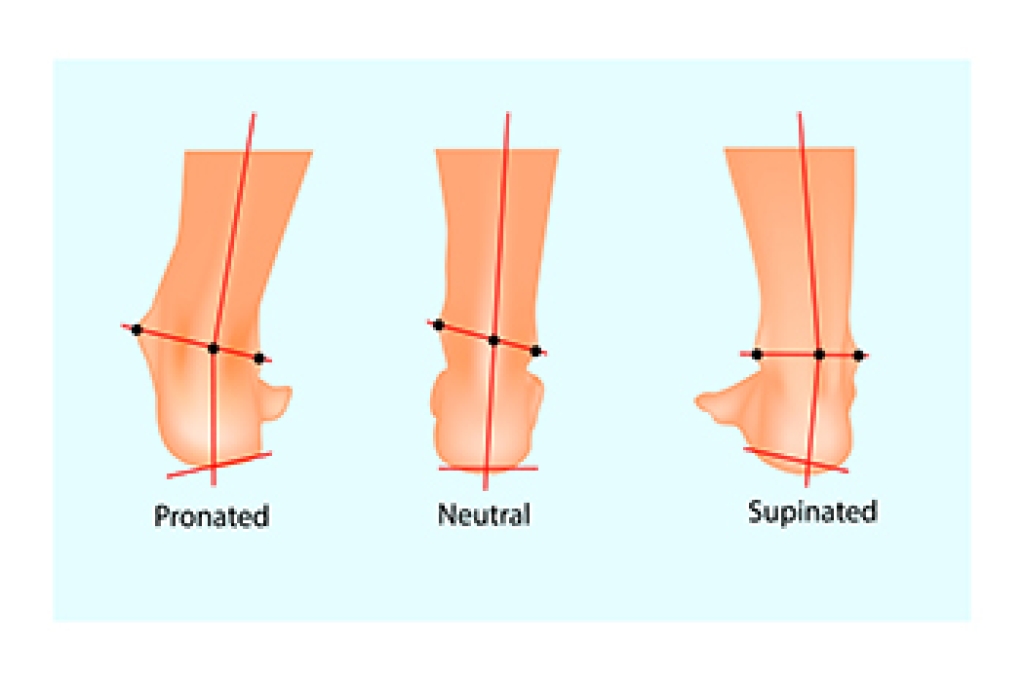
A podiatrist specializes in diagnosing and treating heel pain by evaluating foot structure, walking mechanics, and overall function. Treatment is tailored to the underlying condition and focuses on relieving pain, improving mobility, and restoring normal foot function. Early podiatry care may also help reduce stress on surrounding tissues and lower the risk of ongoing problems. Regular follow-up exams allow progress to be monitored and treatment to be adjusted when needed. If heel pain is affecting your ability to walk or participate in daily activities, it is suggested that you consult a podiatrist for an evaluation and appropriate treatment options.

Many people suffer from bouts of heel pain. For more information, contact Josef Elouze, DPM of Elite Podiatry. Our doctor can provide the care you need to keep you pain-free and on your feet.

Causes of Heel Pain

Heel pain is often associated with plantar fasciitis. The plantar fascia is a band of tissues that extends along the bottom of the foot. A rip or tear in this ligament can cause inflammation of the tissue.

Achilles tendonitis is another cause of heel pain. Inflammation of the Achilles tendon will cause pain from fractures and muscle tearing. Lack of flexibility is also another symptom.

Heel spurs are another cause of pain. When the tissues of the plantar fascia undergo a great deal of stress, it can lead to ligament separation from the heel bone, causing heel spurs.

Why Might Heel Pain Occur?

  • Wearing ill-fitting shoes                
  • Wearing non-supportive shoes
  • Weight change           
  • Excessive running

Treatments

Heel pain should be treated as soon as possible for immediate results. Keeping your feet in a stress-free environment will help. If you suffer from Achilles tendonitis or plantar fasciitis, applying ice will reduce the swelling. Stretching before an exercise like running will help the muscles. Using all these tips will help make heel pain a condition of the past.

If you have any questions, please feel free to contact our office located in (Holiday City) Toms River, NJ . We offer the newest diagnostic and treatment technologies for all your foot care needs.

Read more about Heel Pain

Connect With Us

Advanced Podiatric Procedures & Services in the Toms River, Lakewood, Brick Township, Berkeley Township, Manchester Township, Lacey Township, Barnegat Township, Stafford Township, Jackson Township, Howell Township, NJ areas