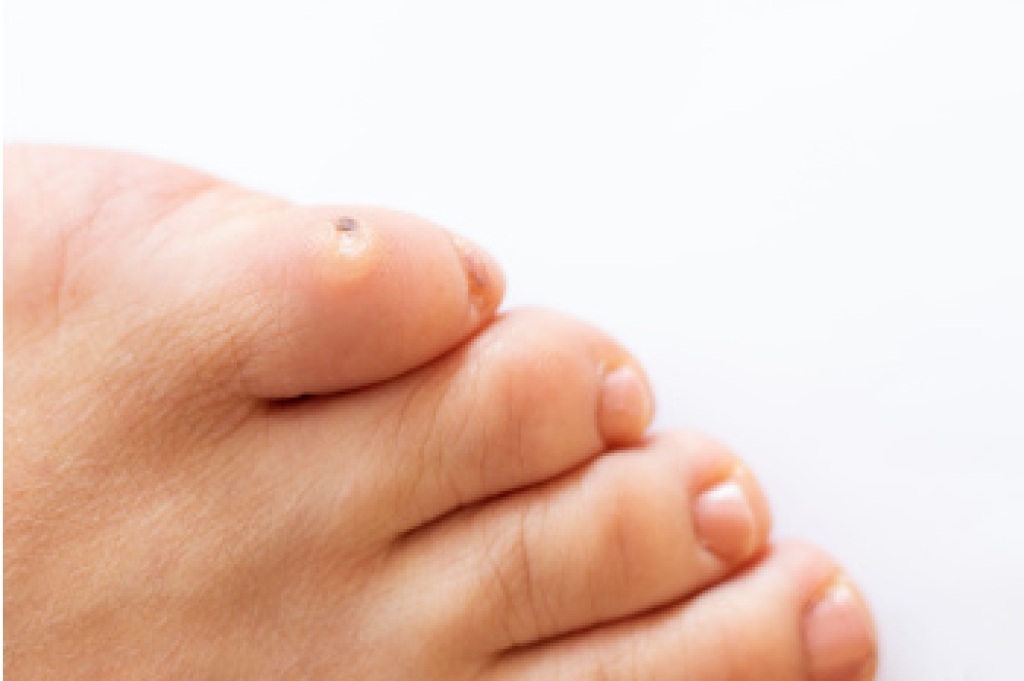
How a Podiatrist Treats Painful Corns

Corns develop when repeated pressure or rubbing causes the skin to thicken in a small area. They usually appear on the tops or sides of toes, although they also form between toes. A hard corn has a firm center surrounded by thicker skin. A soft corn develops where moisture keeps the skin tender, especially between neighboring toes. Both types may cause sharp pain when shoes press against them. Some people notice a rough bump or a sensitive spot while walking. Tight shoes and changes in toe position increase friction. Corns differ from calluses, which usually cover wider areas of skin. Understanding the source of pressure helps a podiatrist choose suitable treatment and reduce repeated discomfort.

A podiatrist examines the affected area and checks whether the thickened skin is a corn or another problem. The examination includes reviewing shoe fit, toe alignment, and tender pressure points. Some corns develop near bent toes or prominent joints that rub against shoes. A podiatrist may carefully remove layers of thickened skin using professional instruments. This treatment reduces pressure on the sensitive area beneath the corn. Protective padding may also help separate rubbing surfaces. When foot structure contributes to recurring corns, custom orthotics may improve pressure distribution. The podiatrist checks for redness or broken skin that might signal complications. Patients with diabetes or poor circulation require special attention because even small skin injuries deserve careful evaluation.

Painful corns sometimes change the way patients walk or stand. Avoiding pressure on one toe may increase strain elsewhere in the foot. A podiatrist considers these changes when developing a treatment plan. Follow-up visits help determine whether the corn is returning and whether pressure relief is effective. The podiatrist may recommend adjustments to shoe fit or additional protective support based on the patient's foot shape. Repeated corns deserve evaluation because removing thickened skin alone does not address their underlying cause. Podiatric treatment focuses on comfort, healthy skin, and better movement throughout everyday activities and regular routines. If you have developed corns, it is suggested that you  schedule an appointment with a podiatrist for effective relief, treatment, and prevention techniques. 

If you have any concerns regarding your feet and ankles, contact Josef Elouze, DPM of Elite Podiatry. Our doctors will treat your foot and ankle needs.

Corns: What Are They? and How Do You Get Rid of Them?
Corns can be described as areas of the skin that have thickened to the point of becoming painful or irritating. They are often layers and layers of the skin that have become dry and rough, and are normally smaller than calluses.

Ways to Prevent Corns
There are many ways to get rid of painful corns such as wearing:

  • Well-fitting socks
  • Comfortable shoes that are not tight around your foot
  • Shoes that offer support

Treating Corns
Treatment of corns involves removing the dead skin that has built up in the specific area of the foot. Consult with Our doctors to determine the best treatment option for your case of corns.

If you have any questions, please feel free to contact our office located in (Holiday City) Toms River, NJ . We offer the newest diagnostic and treatment technologies for all your foot care needs.

Read more about Corns and Calluses

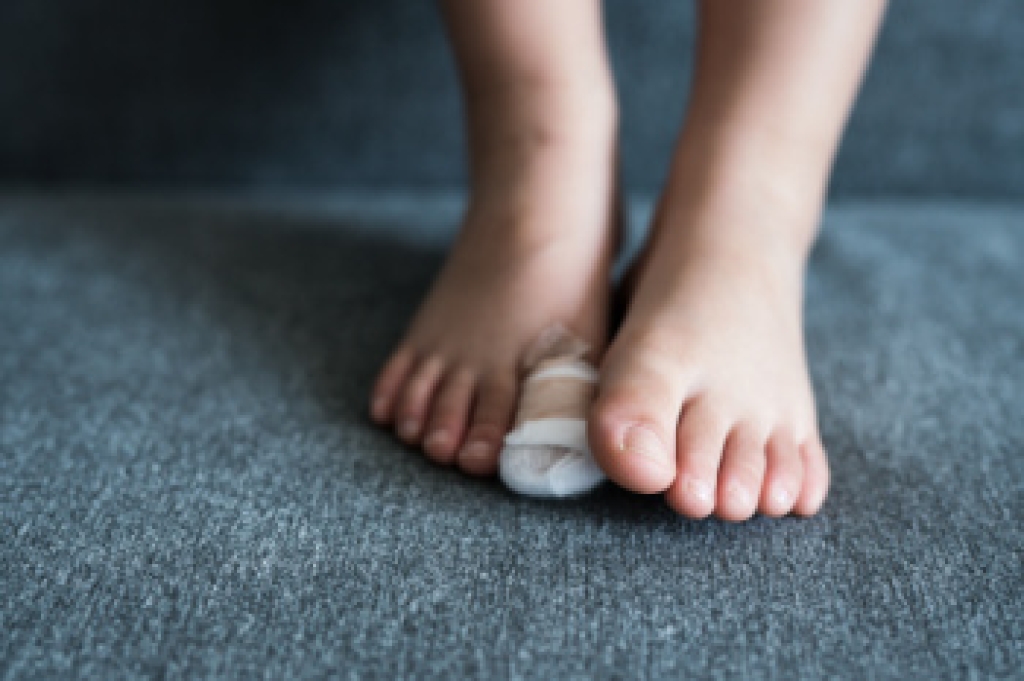
Podiatric Treatment for Broken Toes

A broken toe occurs when one or more bones in a toe crack or break. The injury can happen after dropping a heavy object on the foot or striking the toe against a hard surface. A forceful bend or twist could also cause a break. Symptoms include pain, swelling, and bruising. The toe can also become tender and difficult to move. Some broken toes look crooked or appear out of their normal position. Pain becomes more noticeable when standing or walking because body weight places pressure on the injured area. A broken big toe has a greater effect on movement because the big toe plays an important role in balance and pushing the foot forward while walking.

A podiatrist evaluates a broken toe by examining the injury and asking how it happened. An evaluation includes checking swelling, tenderness, and the position of the toe. The podiatrist also determines whether the skin or toenail was damaged during the injury. X-rays help confirm a break and show the location of the damaged bone. Treatment depends on which toe is injured and the severity of the break. A podiatrist stabilizes the toe to protect the bone while it heals. A protective shoe or other supportive device can reduce pressure on the injured area. When a broken toe is out of position, a podiatrist carefully realigns the bone when appropriate.

A broken toe affects balance and changes the way a patient walks. Shifting weight away from the injured toe can place additional stress on other areas of the foot or ankle. A podiatrist monitors healing and determines when the toe is ready for increased activity. Follow-up evaluations also identify problems with bone position, joint movement, or continued pain. Proper treatment helps protect the injured toe and support a safe return to regular activities. Care can be adjusted as swelling decreases and movement becomes more comfortable. If you have broken your toe, it is suggested that you schedule an appointment with a podiatrist for effective relief and treatment solutions.

A broken toe can be very painful and lead to complications if not properly fixed. If you have any concerns about your feet, contact Josef Elouze, DPM from Elite Podiatry. Our doctors will treat your foot and ankle needs.

What to Know About a Broken Toe

Although most people try to avoid foot trauma such as banging, stubbing, or dropping heavy objects on their feet, the unfortunate fact is that it is a common occurrence. Given the fact that toes are positioned in front of the feet, they typically sustain the brunt of such trauma. When trauma occurs to a toe, the result can be a painful break (fracture).

Symptoms of a Broken Toe

  • Throbbing pain
  • Swelling
  • Bruising on the skin and toenail
  • The inability to move the toe
  • Toe appears crooked or disfigured
  • Tingling or numbness in the toe

Generally, it is best to stay off of the injured toe with the affected foot elevated.

Severe toe fractures may be treated with a splint, cast, and in some cases, minor surgery. Due to its position and the pressure it endures with daily activity, future complications can occur if the big toe is not properly treated.

If you have any questions, please feel free to contact our office located in (Holiday City) Toms River, NJ . We offer the newest diagnostic and treatment technologies for all your foot care needs.
Read more about What to Know About a Broken Toe

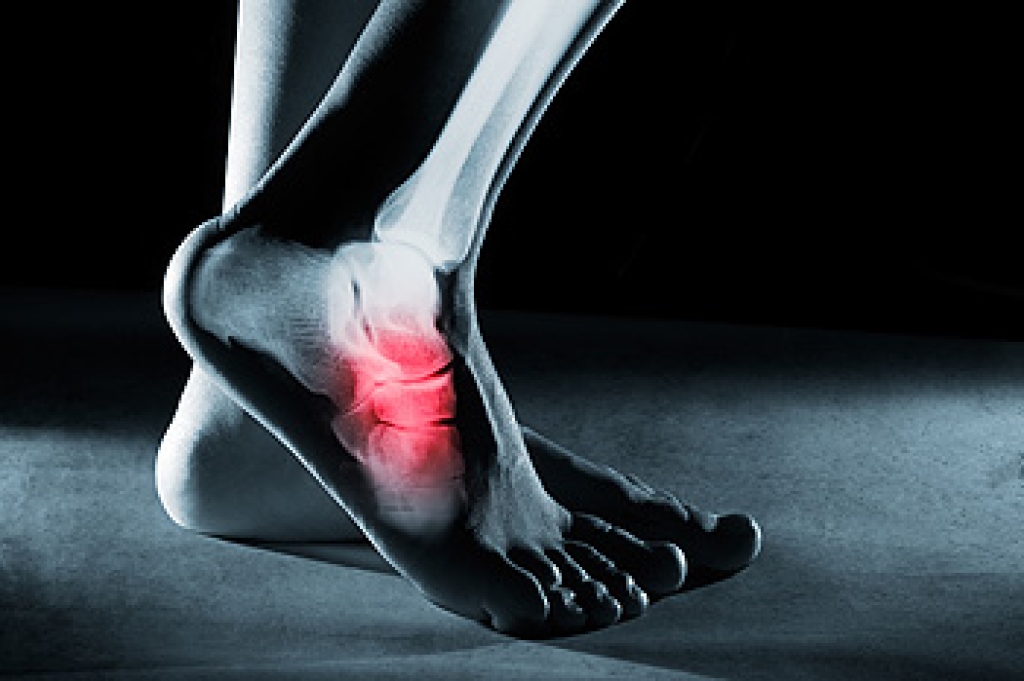
Heel Pain Can Be Treated!

Do you suffer from heel pain when you get up in the morning? If so, you should seek professional help and have a proper diagnosis performed. Heel pain can be caused by several different foot-related conditions.

Signs and Causes of Foot Stress Fractures

A foot stress fracture is a small crack in a bone caused by repeated stress rather than one injury. These fractures often develop when the foot does not have enough time to recover between activities. Running, jumping, and changes in activity can place extra strain on the bones. Common symptoms include localized pain, tenderness, and discomfort that becomes worse with activity. Pain may improve with rest at first, but it can become more noticeable as the injury progresses.

Several risk factors can increase the chance of a stress fracture. Wearing unsupportive footwear may add strain during exercise. Low bone density can also make bones more vulnerable. Other concerns include sudden increases in exercise and poor nutrition. A previous stress fracture may raise the risk of another injury. Pain that continues or becomes stronger should not be ignored, especially when walking starts to feel uncomfortable.

A podiatrist will begin by reviewing your symptoms, activity level, and medical history. The foot will be examined for tenderness, swelling, and areas of pain. Imaging tests may be recommended to help identify a fracture, although some stress fractures are difficult to see early. Treatment often includes reducing activities that place stress on the foot. A protective boot or other support may be suggested when needed. As healing progresses, your podiatrist can guide a gradual return to activity and discuss footwear changes that may reduce future strain.

Your feet need time to heal when a stress fracture develops. Continuing high-impact activity too soon can delay recovery and increase the chance of a more serious fracture. Paying attention to persistent foot pain and giving your body an opportunity to recover are important. If you have symptoms of a foot stress fracture, it is suggested that you consult a podiatrist for effective relief, treatment, and helpful prevention tips. 

Activities where too much pressure is put on the feet can cause stress fractures. To learn more, contact Josef Elouze, DPM from Elite Podiatry. Our doctors can provide the care you need to keep your pain free and on your feet.

Dealing with Stress Fractures of the Foot and Ankle

Stress fractures occur in the foot and ankle when muscles in these areas weaken from too much or too little use.  The feet and ankles then lose support when walking or running from the impact of the ground. Since there is no protection, the bones receive the full impact of each step. Stress on the feet can cause cracks to form in the bones, thus creating stress fractures.

What Are Stress Fractures?

Stress fractures occur frequently in individuals whose daily activities cause great impact on the feet and ankles. Stress factors are most common among:

  • Runners                                
  • People affected with Osteoporosis
  • Tennis or basketball players
  • Gymnasts
  • High impact workouts

Symptoms

Pain from the fractures occur in the area of the fractures and can be constant or intermittent. It will often cause sharp or dull pain with swelling and tenderness. Engaging in any kind of activity which involves high impact will aggravate pain.

If you have any questions please contact our office located in (Holiday City) Toms River, NJ . We offer the newest diagnostic and treatment technologies for all your foot and ankle needs.

Read more about Dealing with Stress Fractures of the Foot and Ankle

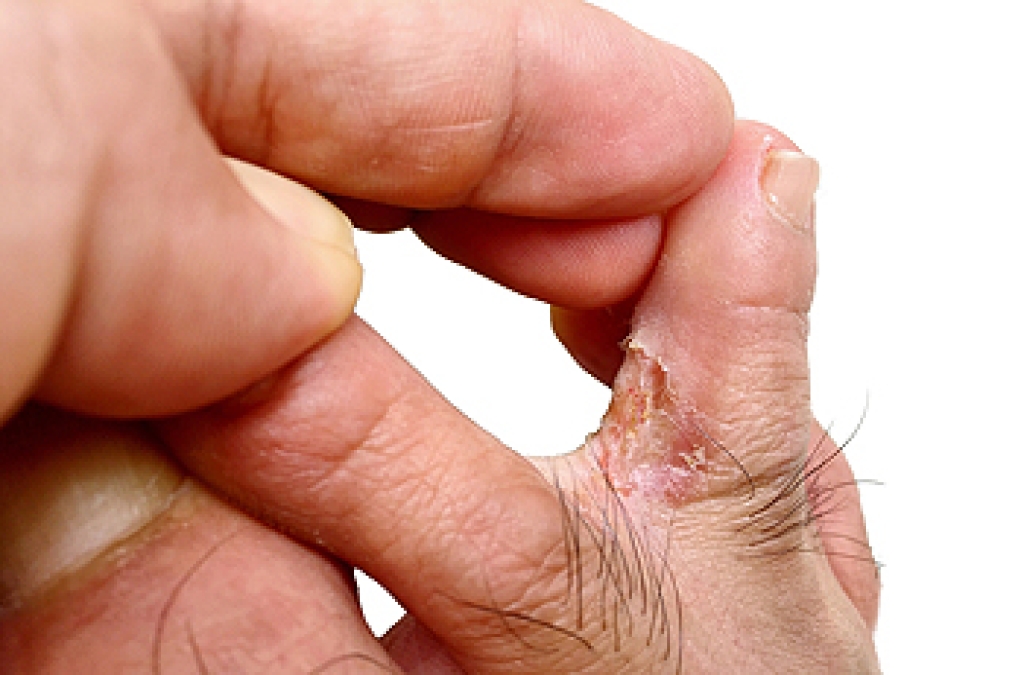
Athlete’s Foot Symptoms and Causes

Athlete’s foot is a fungal infection that affects the skin of the feet. It often begins between the toes, where moisture can become trapped. The infection may cause itching between the toes, burning, or irritation. Red patches of skin may also develop as the infection progresses. Some people notice cracked or peeling skin that can become sore. Symptoms may affect one or both feet, and become more noticeable after wearing shoes.

Athlete’s foot is caused by fungi called dermatophytes. They thrive in warm, damp environments and can spread through contact with infected skin or contaminated surfaces. Locker rooms and shared shower and pool areas can provide conditions where the fungus spreads easily. Wearing damp socks or shoes for extended periods can also encourage fungal growth. The infection can spread when feet remain moist after bathing.

Certain factors can increase the risk of developing athlete’s foot. People who use communal showers or locker rooms may have greater exposure to the fungus. Wearing tight or poorly ventilated footwear can trap heat and moisture around the feet. Heavy sweating can create another favorable environment for fungal growth. A weakened immune system may also increase susceptibility. Scratches or small breaks in the skin can give fungi an easier way to enter.

A podiatrist can examine the skin and determine whether athlete’s foot is causing your symptoms. If the diagnosis is uncertain, a small skin sample may be examined for fungus. Treatment may include an antifungal medication and guidance on keeping the feet clean and dry. Your podiatrist may also recommend changing socks regularly and allowing shoes to dry between uses. Additionally, avoiding shared towels can help reduce spreading. If you have symptoms of athlete’s foot, it is suggested that you consult a podiatrist who can accurately diagnose and treat this condition, which may include prescribed medication.

Athlete’s Foot

Athlete’s foot is often an uncomfortable condition to experience. Thankfully, podiatrists specialize in treating athlete’s foot and offer the best treatment options. If you have any questions about athlete’s foot, consult with Josef Elouze, DPM from Elite Podiatry. Our doctors will assess your condition and provide you with quality treatment.

What Is Athlete’s Foot?

Tinea pedis, more commonly known as athlete’s foot, is a non-serious and common fungal infection of the foot. Athlete’s foot is contagious and can be contracted by touching someone who has it or infected surfaces. The most common places contaminated by it are public showers, locker rooms, and swimming pools. Once contracted, it grows on feet that are left inside moist, dark, and warm shoes and socks.

Prevention

The most effective ways to prevent athlete’s foot include:

  • Thoroughly washing and drying feet
  • Avoid going barefoot in locker rooms and public showers
  • Using shower shoes in public showers
  • Wearing socks that allow the feet to breathe
  • Changing socks and shoes frequently if you sweat a lot

Symptoms

Athlete’s foot initially occurs as a rash between the toes. However, if left undiagnosed, it can spread to the sides and bottom of the feet, toenails, and if touched by hand, the hands themselves. Symptoms include:

  • Redness
  • Burning
  • Itching
  • Scaly and peeling skin

Diagnosis and Treatment

Diagnosis is quick and easy. Skin samples will be taken and either viewed under a microscope or sent to a lab for testing. Sometimes, a podiatrist can diagnose it based on simply looking at it. Once confirmed, treatment options include oral and topical antifungal medications.

If you have any questions, please feel free to contact our office located in (Holiday City) Toms River, NJ . We offer the newest diagnostic and treatment technologies for all your foot care needs.
Read more about How to Deal with Athlete's Foot

Connect With Us

Advanced Podiatric Procedures & Services in the Toms River, Lakewood, Brick Township, Berkeley Township, Manchester Township, Lacey Township, Barnegat Township, Stafford Township, Jackson Township, Howell Township, NJ areas