Connect With Us


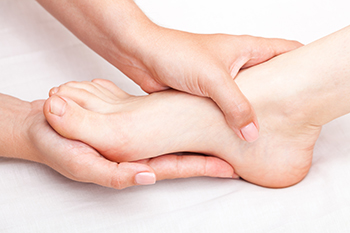
Ehlers-Danlos syndrome is a rare genetic condition that affects the body’s connective tissues, leading to loose joints, fragile skin, and reduced structural support. When it involves the feet, it can cause ankle instability, flat feet, chronic pain, and frequent sprains due to weakened ligaments. Symptoms include joint hypermobility, easy bruising, and persistent discomfort while standing or walking. The condition is caused by inherited changes in collagen production, which affects the strength and elasticity of tissues throughout the body. A podiatrist can help by providing supportive bracing, custom orthotics, strengthening guidance, and treatment plans that improve stability and reduce pain. If you have foot problems related to Ehlers-Danlos syndrome, it is suggested that you are under the care of a podiatrist who can help you to manage this rare foot condition.
Some foot conditions may require additional professional care. If you have any concerns, contact Josef Elouze, DPM of Elite Podiatry. Our doctor can provide the care you need to keep you pain-free and on your feet.
Rare Foot Conditions
The majority of foot conditions are common and can be treated by a podiatrist. Standard diagnostic procedures are generally used to identify specific conditions and treatment can be rendered. A podiatrist also treats rare foot conditions which can be difficult to diagnose and may need extra attention and care.
There are many rare foot conditions that can affect children. Some of these can include:
Freiberg’s disease - This can be seen as a deterioration and flattening of a metatarsal bone that exists in the ball of the foot. It typically affects pre-teen and teenage girls, but can affect anyone at any age. Symptoms that can accompany this can be swelling, stiffness, and the patient may limp.
Kohler’s disease - This often targets the bone in the arch of the foot and affects younger boys. It can lead to an interruption of the blood supply which ultimately can lead to bone deterioration. The patient may limp or experience tenderness, swelling, and redness.
Maffucci syndrome - This affects the long bones in a child’s foot leading to the development of abnormal bone lesions. They are benign growths and typically develop in early childhood and the bones may be susceptible to breaking.
A podiatrist can properly diagnose and treat all types of rare foot conditions. If your child is affected by any of these symptoms or conditions, please don’t hesitate to call our office so the correct treatment method can begin.
If you have any questions, please feel free to contact our office located in (Holiday City) Toms River, NJ . We offer the newest diagnostic and treatment technologies for all your foot care needs.
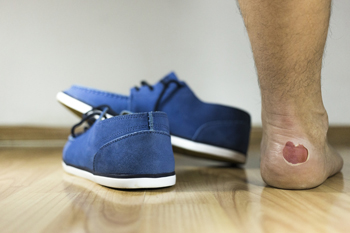
Foot blisters are small fluid-filled bubbles that form on the skin due to irritation or injury. They often appear as clear, red, or filled with blood depending on the cause. Friction blisters occur from repetitive rubbing against shoes or socks, and burn blisters develop when the skin is damaged by heat. Additionally, blood blisters form from pinching or trauma that damages blood vessels under the skin, and fracture blisters appear near broken bones due to swelling and pressure. A podiatrist can identify the cause, treat the affected area, prevent infection, and recommend footwear or orthotics to reduce friction. If foot blisters frequently occur or become painful, it is suggested that you schedule an appointment with a podiatrist for expert care and effective prevention tips.
Blisters are prone to making everyday activities extremely uncomfortable. If your feet are hurting, contact Josef Elouze, DPM of Elite Podiatry. Our doctor can provide the care you need to keep you pain-free and on your feet.
Foot Blisters
Foot blisters develop as a result of constantly wearing tight or ill-fitting footwear. This happens due to the constant rubbing from the shoe, which can often lead to pain.
What Are Foot Blisters?
A foot blister is a small fluid-filled pocket that forms on the upper-most layer of the skin. Blisters are filled with clear fluid and can lead to blood drainage or pus if the area becomes infected.
How Do Blisters Form?
Blisters on the feet are often the result of constant friction of skin and material, usually by shoe rubbing. Walking in sandals, boots, or shoes that don’t fit properly for long periods of time can result in a blister. Having consistent foot moisture and humidity can easily lead to blister formation.
Prevention & Treatment
It is important to properly care for the affected area in order to prevent infection and ease the pain. Do not lance the blister and use a Band-Aid to provide pain relief. Also, be sure to keep your feet dry and wear proper fitting shoes. If you see blood or pus in a blister, seek assistance from a podiatrist.
If you have any questions, please feel free to contact our office located in (Holiday City) Toms River, NJ . We offer the newest diagnostic and treatment technologies for all your foot care needs.
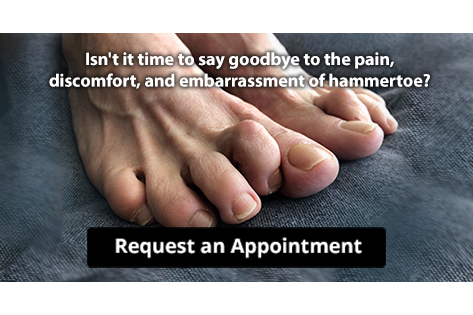
Painful deformities, such as hammertoes, can be treated. Stop living with foot pain, and have beautiful feet again!

Selecting the proper running shoes is essential for comfort, performance, and injury prevention. Important factors to consider include training frequency, as shoes used daily may require more cushioning and support, and the distance covered, since long distance runners need durable midsoles for shock absorption. The terrain also plays a key role, with trail runners benefiting from shoes that offer traction and stability, while road runners may prefer lightweight designs for smoother surfaces. Proper fit and arch support are equally important to prevent strain and discomfort. A podiatrist can assess your foot structure, gait, and biomechanics to recommend the best type of footwear for your needs. If you enjoy running and have sustained a foot or ankle injury, it is suggested that you schedule an appointment with a podiatrist who can treat various foot conditions, and guide you on personalized running shoe recommendations.
You should always make sure your running shoes fit properly in order to avoid injury. For more information, contact Josef Elouze, DPM from Elite Podiatry. Our doctor can provide the care you need to keep you pain-free and on your feet.
Choosing the Right Running Shoe for Your Foot Type
Improper shoe sizing can cause a myriad of problems for your feet. Shoes that don’t fit you properly can lead to muscular imbalances in your body, which can result in foot, knee, and hip injuries.
Tips for Finding the Right Running Shoe
If you have any questions, please feel free to contact our office located in (Holiday City) Toms River, NJ . We offer the newest diagnostic and treatment technologies for all your foot care needs.
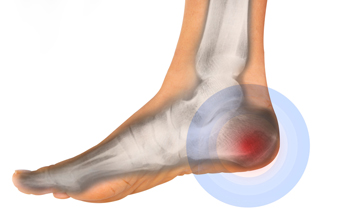
Heel bursitis occurs when the small fluid-filled sac, known as the retrocalcaneal bursa, becomes irritated and inflamed at the back of the heel where the Achilles tendon meets the heel bone. This irritation can develop from repetitive activities that increase pressure in that area, including running uphill, jumping, or standing on tiptoes. Wearing high heels frequently, ill-fitting shoes that rub against the heel, or flip-flops that provide little protection may also contribute to heel bursitis. Tight calf muscles or an existing bone spur can further aggravate the bursa. Symptoms include swelling, tenderness, and a painful lump at the back of the heel, which worsens when shoes press on the area or when engaging in activities that put stress on the Achilles tendon. A podiatrist can evaluate the heel and provide the most effective treatment. If you experience symptoms of bursitis in the heel, it is suggested that you schedule an appointment with a podiatrist for an exam and appropriate treatment.
Many people suffer from bouts of heel pain. For more information, contact Josef Elouze, DPM of Elite Podiatry. Our doctor can provide the care you need to keep you pain-free and on your feet.
Causes of Heel Pain
Heel pain is often associated with plantar fasciitis. The plantar fascia is a band of tissues that extends along the bottom of the foot. A rip or tear in this ligament can cause inflammation of the tissue.
Achilles tendonitis is another cause of heel pain. Inflammation of the Achilles tendon will cause pain from fractures and muscle tearing. Lack of flexibility is also another symptom.
Heel spurs are another cause of pain. When the tissues of the plantar fascia undergo a great deal of stress, it can lead to ligament separation from the heel bone, causing heel spurs.
Why Might Heel Pain Occur?
Treatments
Heel pain should be treated as soon as possible for immediate results. Keeping your feet in a stress-free environment will help. If you suffer from Achilles tendonitis or plantar fasciitis, applying ice will reduce the swelling. Stretching before an exercise like running will help the muscles. Using all these tips will help make heel pain a condition of the past.
If you have any questions, please feel free to contact our office located in (Holiday City) Toms River, NJ . We offer the newest diagnostic and treatment technologies for all your foot care needs.
Connect With Us

